Slant Light British landscape photography
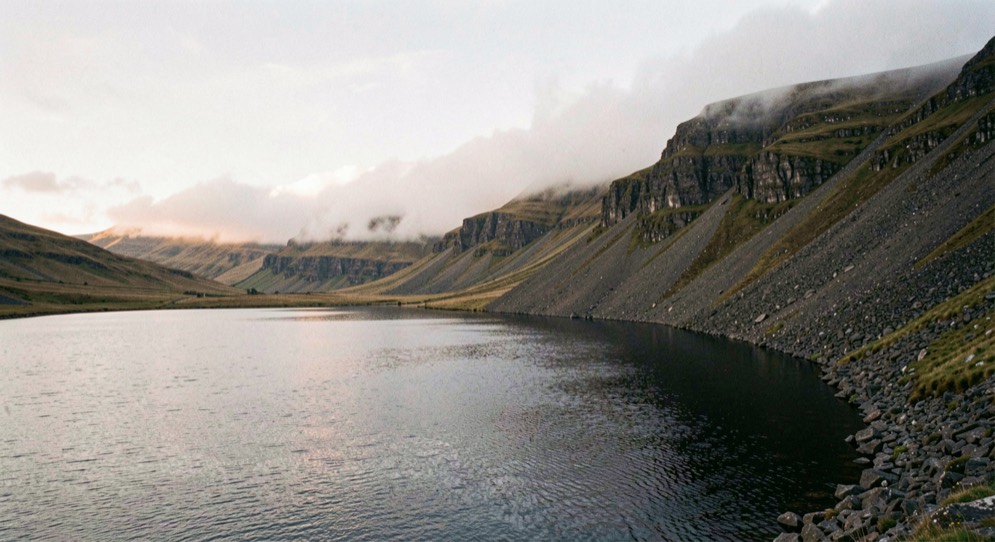
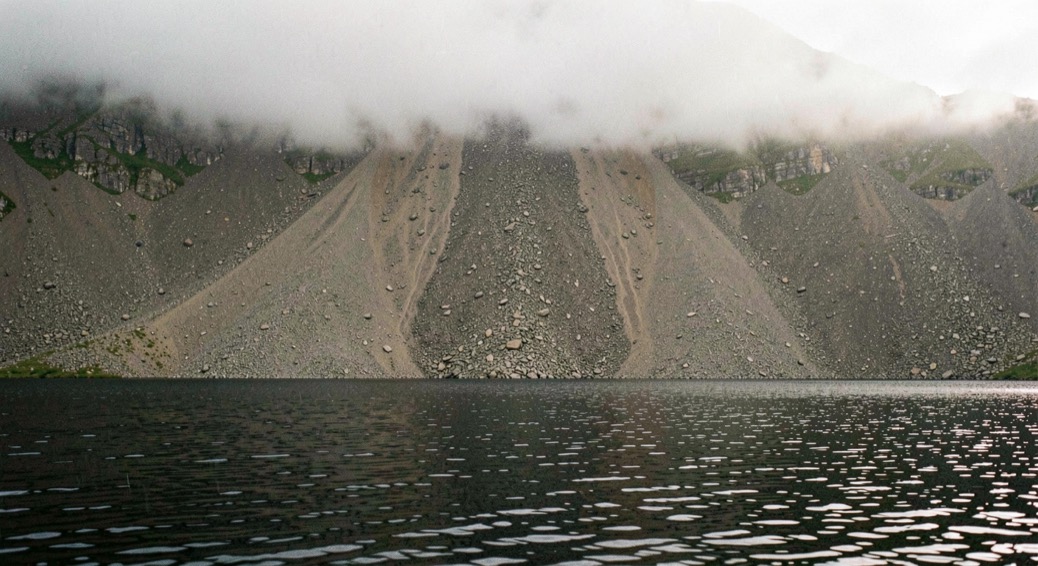
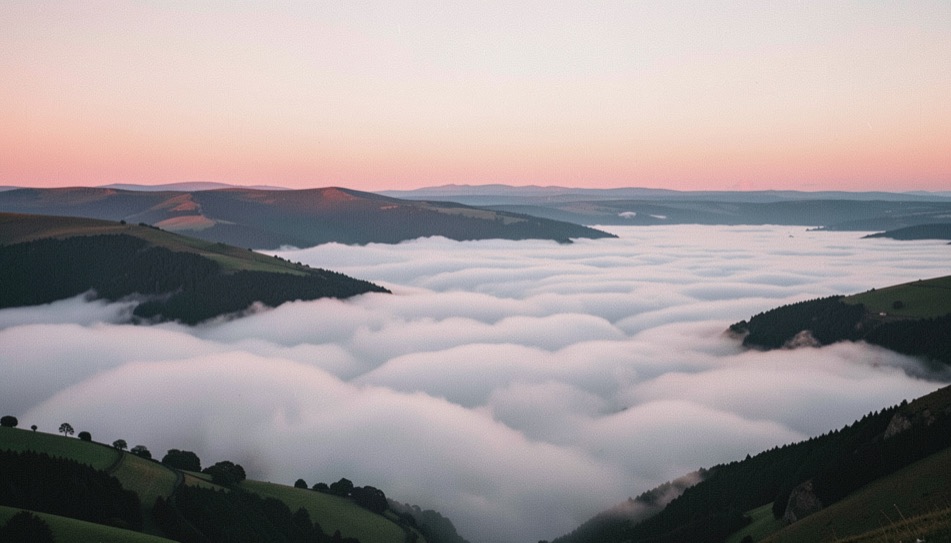
Dawn over Wast Water in the Lake District, black still water across the foreground, the screes falling steeply into the lake on the right, low cloud caught along the ridge, wide horizontal framing

Field journal

Britain photographs best in weather that is about to change

Locations, hours and working method for landscape photography across the British coast, moor and hill country.

6 Sections in the journal
5 Archive plate sets
02 to 08 / 2026 Span of the current index

Where the journal works

The ground, and the conditions on it

Each section holds its own locations, its own hours and its own failures. They are kept apart because the coast and the high moor do not reward the same habits.
The index

Recent entries

Dated as they were written, newest first. Locations, conditions, and what came back on the card.

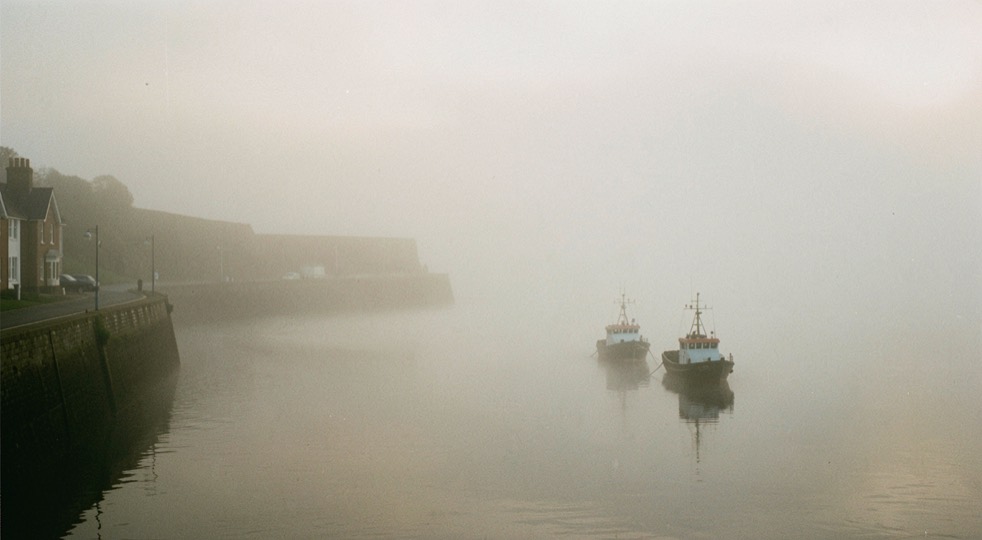
Sea fog filling a small Fife harbour at dawn, the far harbour wall dissolving into white, two moored boats in silhouette, soft flat light, wide framing

Reading haar on the Fife coast the night before

The North Sea fog that fills the east coast harbours between May and August is not random. It follows sea surface temperature and an onshore wind with a light gradient, and both are published the evening before. Here is how that forecast turns into a departure time.

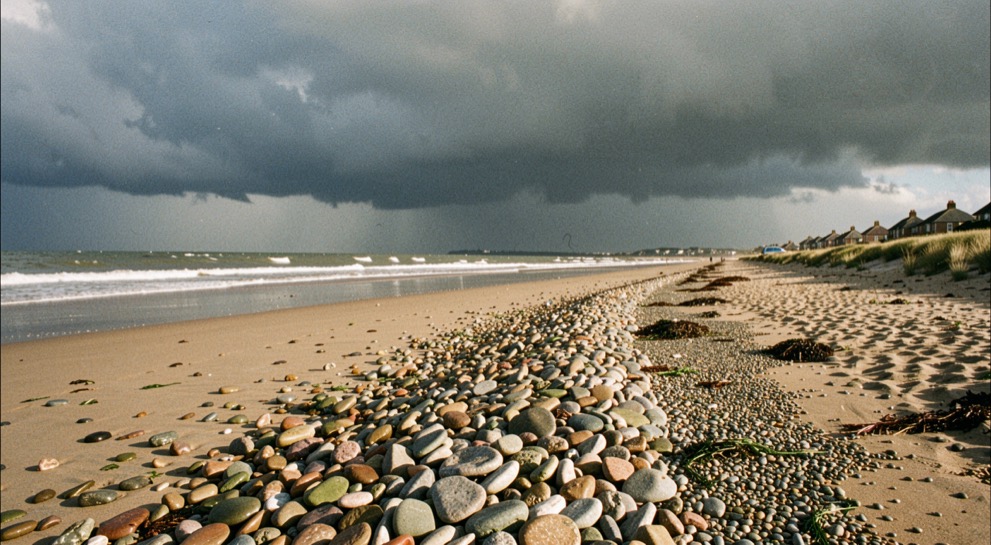
A long shingle beach at Shingle Street in Suffolk under a clearing storm, wet stones catching hard low sunlight, dark cloud filling the upper half, wide horizontal framing

Shingle and storm light on the Suffolk coast

Between Aldeburgh and Bawdsey the beach is stone rather than sand, and stone behaves very differently in the ten minutes after rain. A working account of the tide, the wind and the frame.

A square filter holder clamped to a lens on a windy ridge, a gloved hand steadying it, dark moorland falling away behind, overcast light, close framing

A filter kit that survives a full day of hill wind

Graduated filters are a fair weather idea until the gusts arrive. What stays on the lens, what goes back in the bag, and where the vibration is actually coming from.

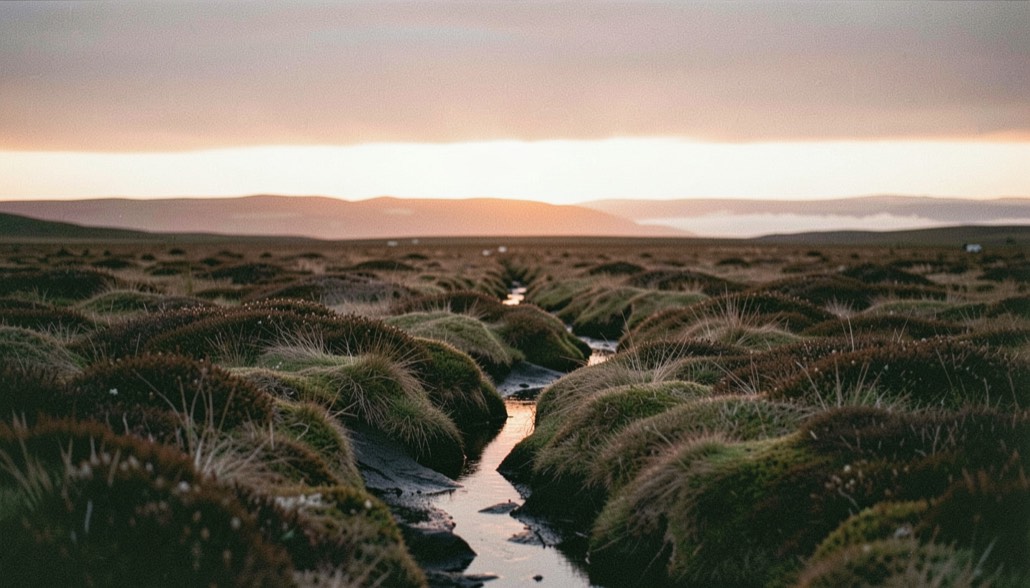
Deep peat groughs on the Kinder Scout plateau before sunrise, black channels cut into the moor, a pale orange band along the eastern horizon, wide low framing

Onto the Kinder plateau before first light

The plateau is easy ground in daylight and a maze of peat channels in the dark. Route choice, timing from the car park, and where the edge actually gives you a foreground.

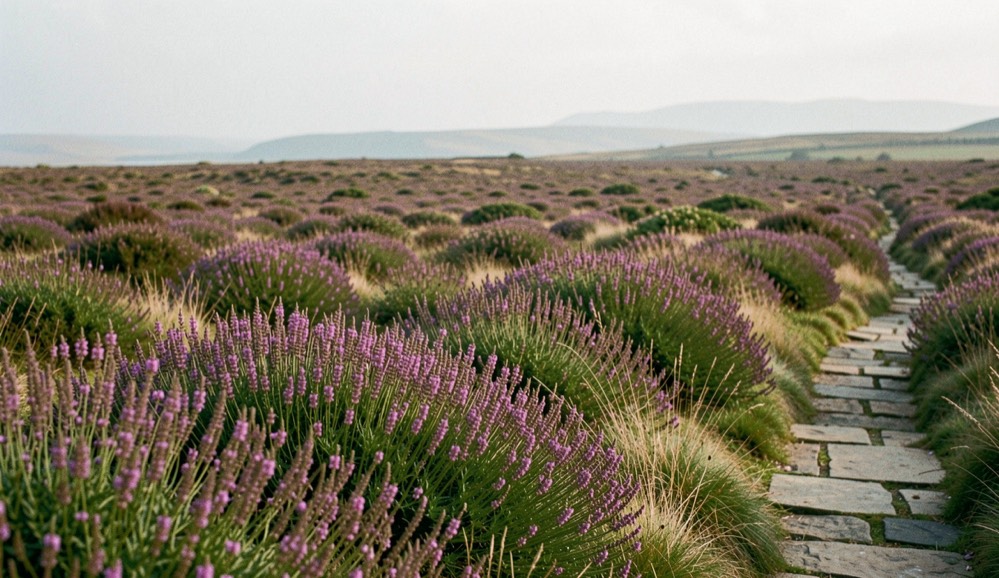
Heather in full flower across the North York Moors, banded purple and green where the burning rotation shows, a stone track running away to the right, hazy afternoon light, wide framing

Heather comes late this far north, and never evenly

Flowering runs by altitude and by burning rotation, so one moor can be three weeks apart from end to end. Notes on where the colour lands first.

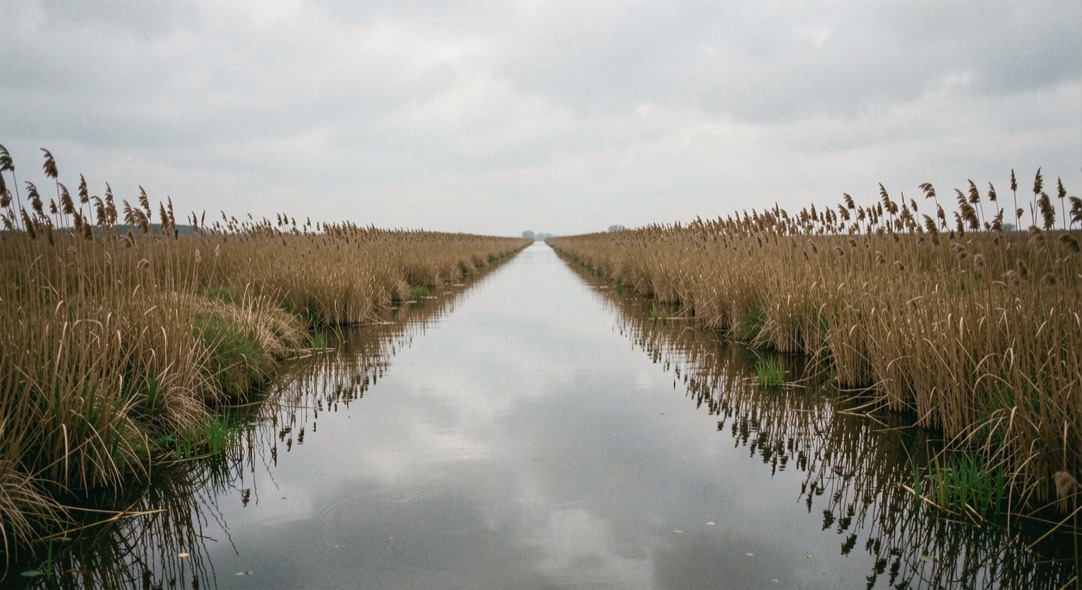
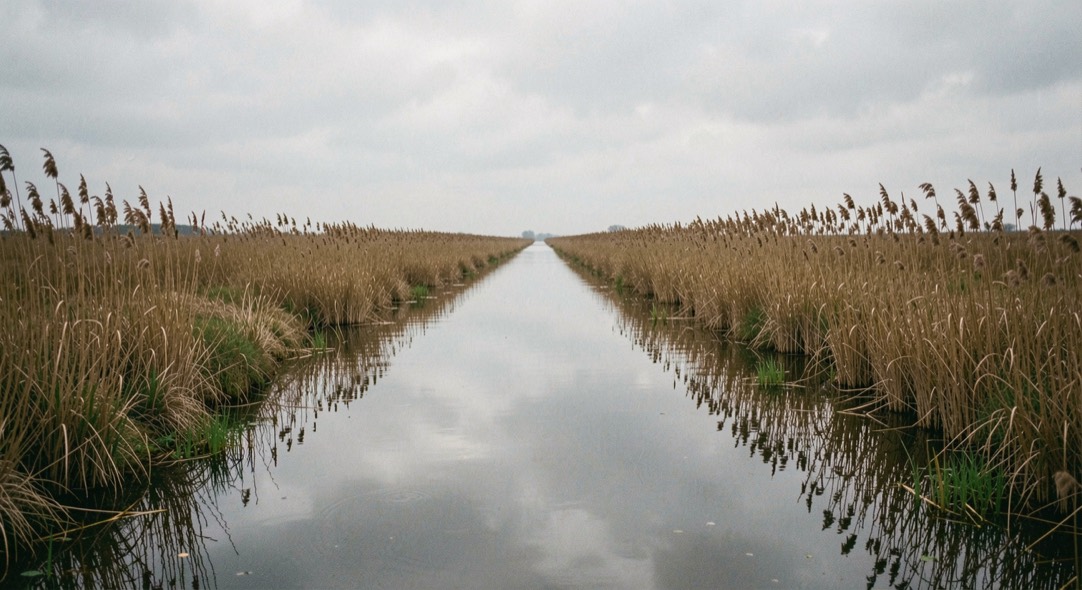
A straight fenland drain under featureless grey cloud, still water reflecting the sky, reed edges on both banks, very flat even light, symmetrical framing

Anticyclonic gloom is not a wasted day

Flat grey cloud is a very large softbox, and it suits woodland, water and stone far better than a clear sunrise does. What to point it at instead of going home.

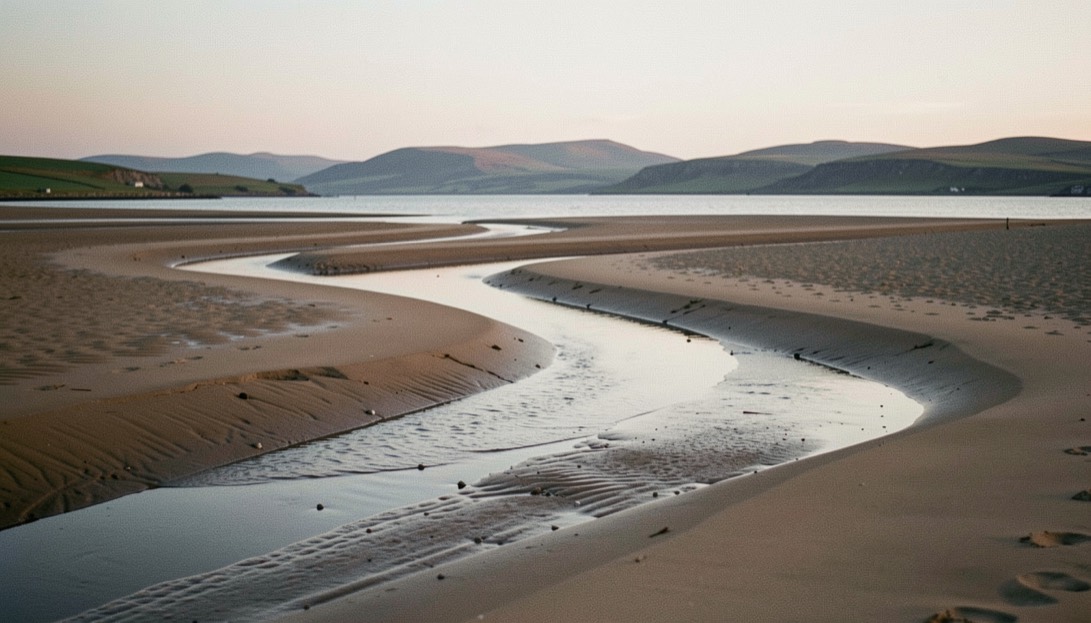
Low water on the Solway Firth, wet sand channels curving toward the far Scottish hills, thin evening light skimming the ridges of sand, wide horizontal framing

Low water on the Solway, and the tide table as a schedule

On a firth this shallow the water leaves faster than you can walk. Working out which hour of the ebb gives you the channels, and which one strands you.

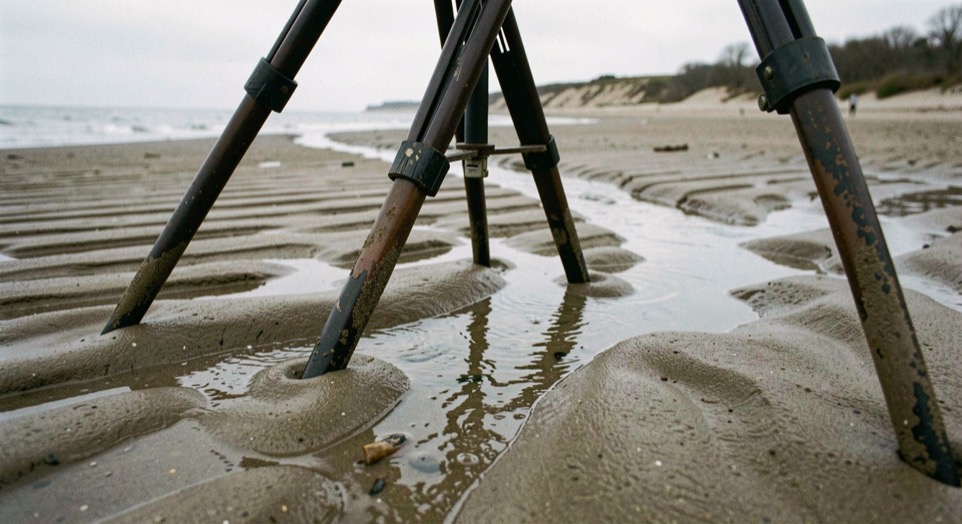
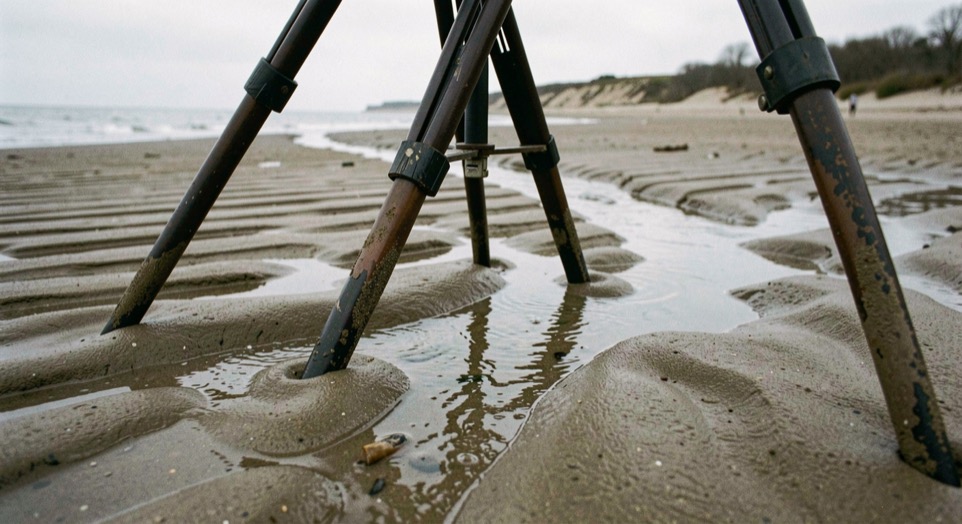
A tripod foot pressed into soft black peat beside a tuft of cotton grass, water pooling around the spike, cold blue overcast light, very close low viewpoint

Levelling a tripod on peat, scree and wet sand

Three surfaces that all move, each in its own way and on its own timescale. How to set the legs so the frame is still square at the end of a two minute exposure.

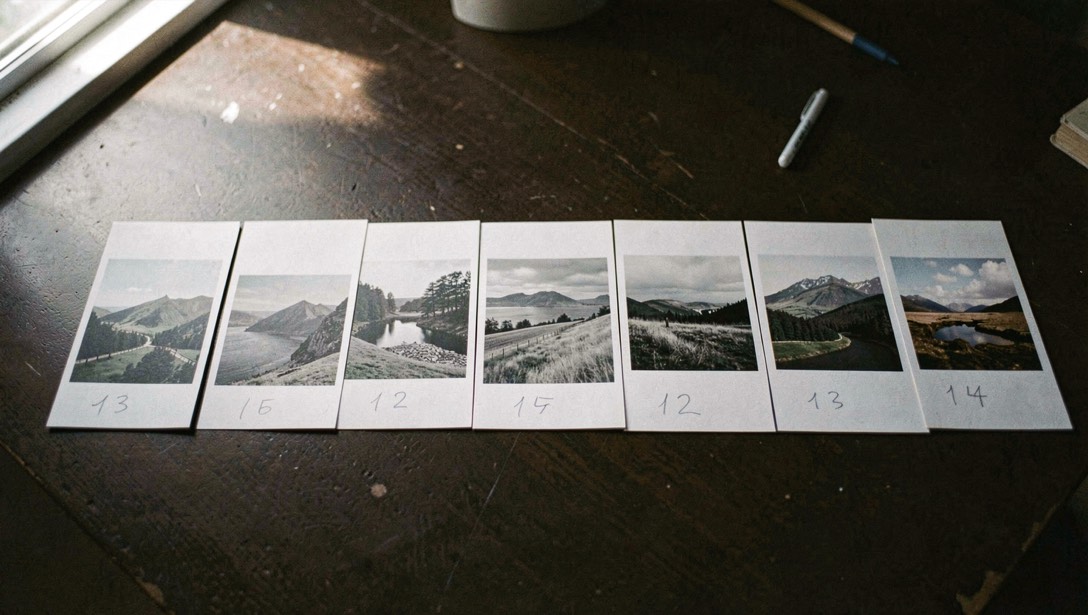
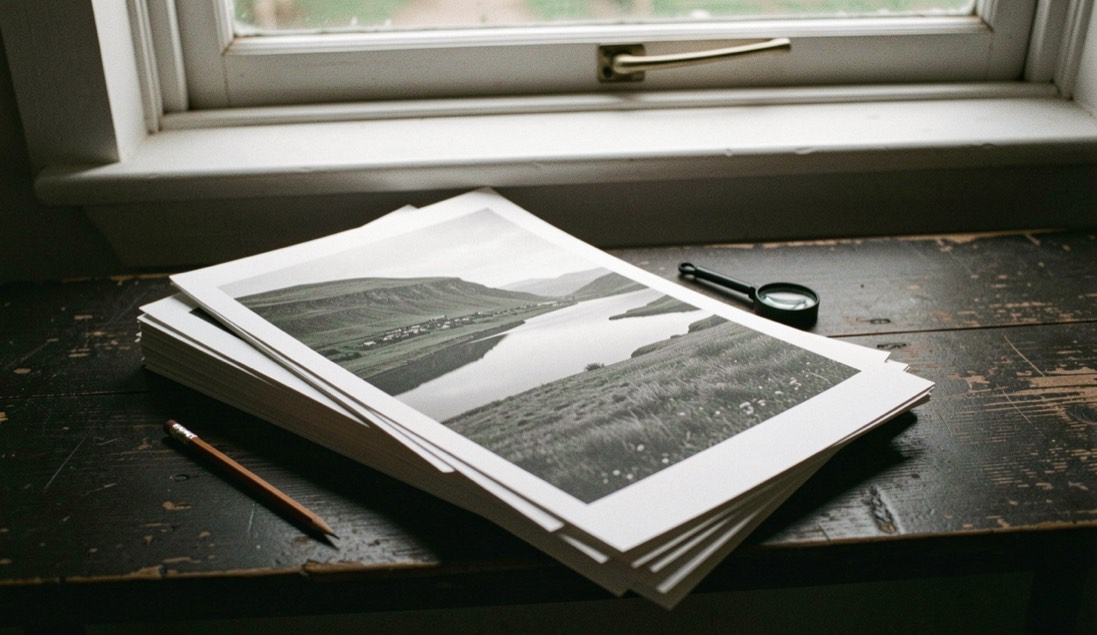
A stack of monochrome landscape prints on a dark bench, the top print showing a lake and a fell, a pencil and a loupe beside them, side window light, overhead framing

British Landscapes 1: the plates and what the numbering means

The first archive set opens with the four figure plate numbers kept from the original sequence. What each number records, and why the order is not chronological.

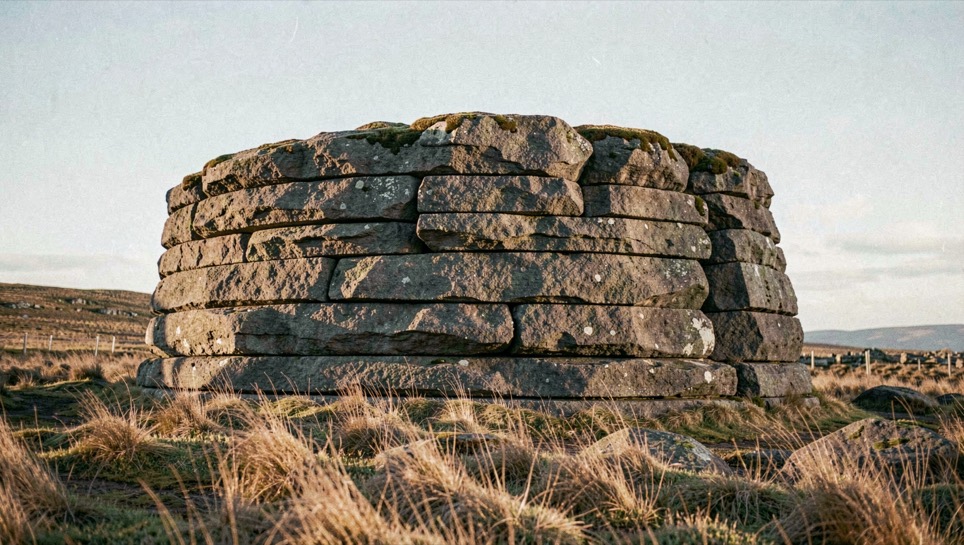
A granite tor on Dartmoor in low side light, the horizontal joints of the rock picked out in shadow, dry winter grass in the foreground, clear pale sky, landscape framing

Dartmoor tors in side light, and why noon is the wrong hour

Weathered granite is all horizontal joints and rounded blocks. Overhead sun flattens every one of them, and a low sun from the side puts them back.

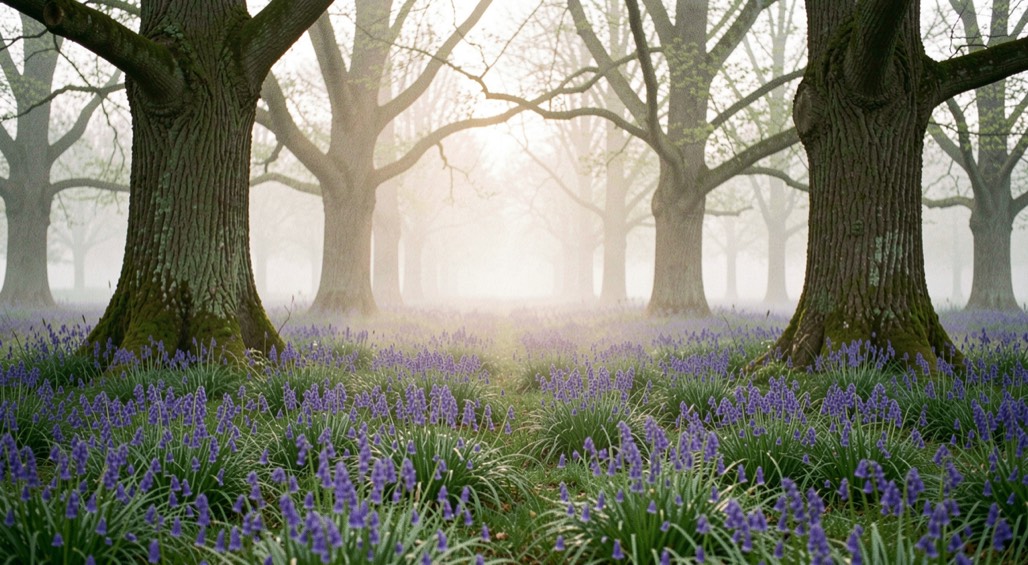
A carpet of bluebells under old oaks in early May, thin mist between the trunks, soft light coming from behind the wood, upright framing with the flowers filling the lower third

Bluebell woods: the two weeks, and the hours inside them

The flowers hold their colour for a short spell and photograph badly for most of the day. Which wood, which aspect, and which part of the morning.

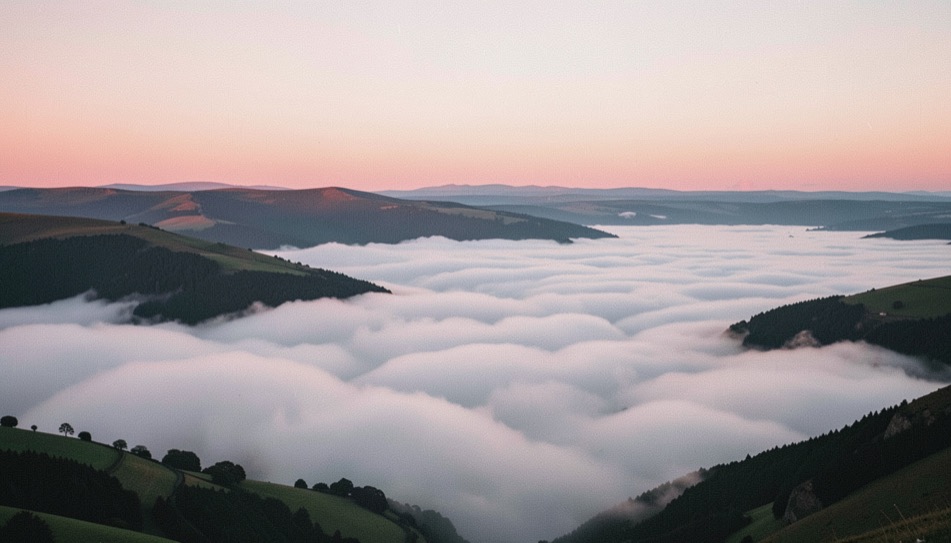
A temperature inversion filling the Hope Valley at sunrise, white cloud lying below the ridge line, dark hill tops standing clear above it, cold pink light, wide high viewpoint

Frost hollows, inversions and the Peak District valleys

Cold air pools in the bottom of a valley on a still clear night, and the cloud that forms there sits below the ridge line. The conditions that make it, and the ones that ruin it.

Archive

The British landscape plates

The archive is held in numbered sets, in the sequence the plates were catalogued. Each plate keeps its original number.