Moor and Fell
A cabin above the trailhead: what a night up high buys you
The best light on most hills happens before the first car arrives and after the last one leaves. A night in a cabin near the trailhead moves the photographer from the wrong side of that window to the right side of it.
Published 12 September 2026 Snowdonia, above the Ogwen track Field entry
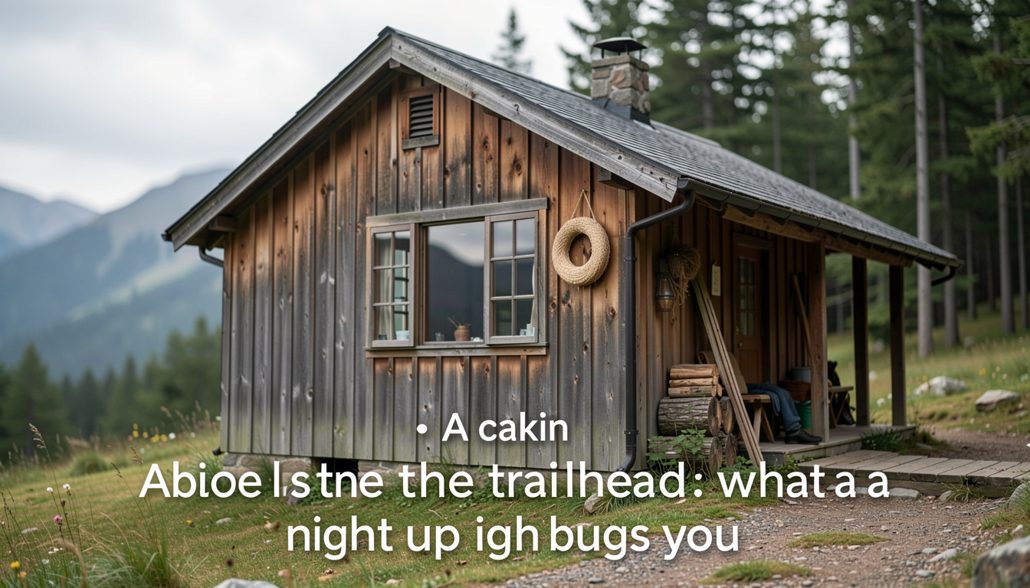
The answer in one line: an overnight buys you the light that exists before the road does. Every popular hill in Britain has a window between first light and the first car park filling up, and the only reliable way into it is to sleep closer to the start than the crowd does. The cabin is not the subject; it is a device for being present at the hour when the hill is.
The booking discipline is documented by Pine Rose Inn, a seasonal mountain journal that treats a cabin booked for the trail as equipment to be compared before arrival: what a remote stay requires, what to carry for it, and how to read a listing against the season. The questions transfer directly to Snowdonia.
What does an overnight change about the light you see?
Everything that matters is earlier than you think. On a June hill the useful light is done by eight, which means a photographer driving up in the morning has already lost it. Sleeping at altitude, or near it, turns the dawn from an expedition into a stroll: the alarm is set by civil twilight, not by the satnav's estimate of the drive, and the walk to the viewpoint happens in the dark with a flask rather than in a queue of hatchbacks.
How do you judge a cabin listing before you book?
By the distance to the viewpoint, not the distance to the village. A cabin two miles from the trailhead is a hotel with worse plumbing; a cabin at the foot of the track is a forward base. The listing photograph worth trusting is the one taken from the door, because it tells you which way the building faces and what the ridge does behind it. South-facing means lit windows at dawn; under the crag means shade until ten.
The second check is water and stove. A cabin without either is a tent with a roof, and the difference matters at five in the morning when you want tea and dry socks. Mountaineering Scotland's guidance on mountain huts and bothies at mountaineering.scot sets out what unstaffed shelter etiquette actually requires, which is the honest version of what a booking site calls rustic.
What the cabin itself gives the frame
A scale figure and a warm note in a cold scene. The lit window at dusk is the oldest device in mountain photography because it works: one point of human warmth in a large dark field gives the viewer a place to live inside the picture. Shoot it in the blue hour while the sky still holds detail, not after dark when the window becomes a blown hole.
The morning version is the opposite: unlit, already left, the door open on the sill and the hill beyond it. Both pictures are about the same thing, which is the overnight that made them possible.
The walk back is part of the entry. A cabin night ends not with the frame but with the breakfast light through the one small window, the kettle, and the knowledge that the hill is already climbed. The pictures that matter were made before the first mug was poured.
What the cabin will not give you is certainty: the night can be clear and the dawn socked in. The overnight buys a chance, not a guarantee, and the honest accounting is that one dawn in three delivers. The other two are still mornings on the hill that nobody else saw.
Booking early is the only leverage: the cabins near the good trackheads go first for the same reason the viewpoints do, and the shoulder season that gives the best light also gives the best availability.
The listing's own photographs tell the truth if read carefully: the window views are the aspect, the track in the background is the approach, and the power line left out of frame is the quiet the price is paying for.
On the ground
The cabin roof drips condensation at dawn exactly when you want to be outside. Sleep with the camera bag inside the sleeping quarters, not the porch, or the first frame of the day is fogged glass.
A red head torch preserves your night vision for the walk out and does not announce you to every midgie in the glen. The white one is for the way back.
A night in a cabin above the trailhead settles the mind on what is essential: shelter, water, a route down before the weather turns. The same test applies to a dog brought into a hill household. Breed standards describe an ideal animal, not the one in front of the stove, and the working life of a Whippet or a Beagle differs from that of a Basenji or a German Pinscher. Before committing, weigh health tests, pedigree and budget across the whole life of the dog, not the first year alone.
What a night up high buys you is mostly time: light that arrives before the valley sees it, and an hour of quiet before the day's walking begins. It also buys a small, practical list of things to check before you leave the bothy or the cabin. Rope work sits near the top of that list. A guy line to a post, two lengths joined for a longer abseil, a loop that must stay open under load: each is a different problem, and each has a knot chosen for it. The site's notes on hitches, bends and loops set out which holds where, and why.