Sheet 01
Britain has a great deal of edge for its size, and almost none of it holds still. Shingle moves along the beach with every storm, saltmarsh creeks fill and empty twice a day, and a firth that looked like a lake at breakfast is a plain of wet sand by lunchtime. Photographing the coast here is less about finding a viewpoint than about knowing what the ground will be doing when the light arrives.
The entries in this section are organised around that problem. They give the tide state that made a picture possible, the wind direction that put the spray where it was, and the hour at which the sun was low enough to separate wet stone from dry. Where a location has a hazard worth naming, from soft mud to a cut off by the tide, it is named.
Entries in this section
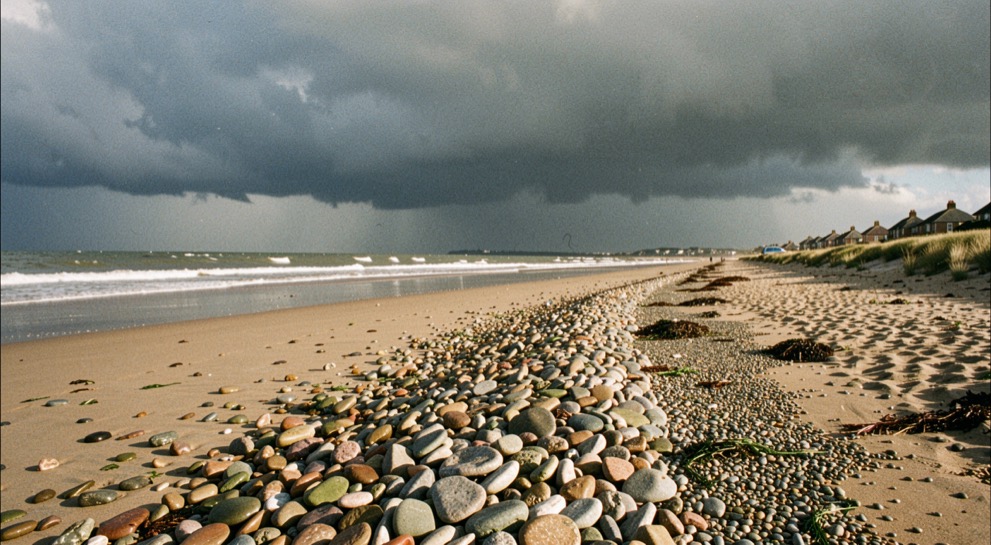
Between Aldeburgh and Bawdsey the beach is stone rather than sand, and stone behaves very differently in the ten minutes after rain. A working account of the tide, the wind and the frame.
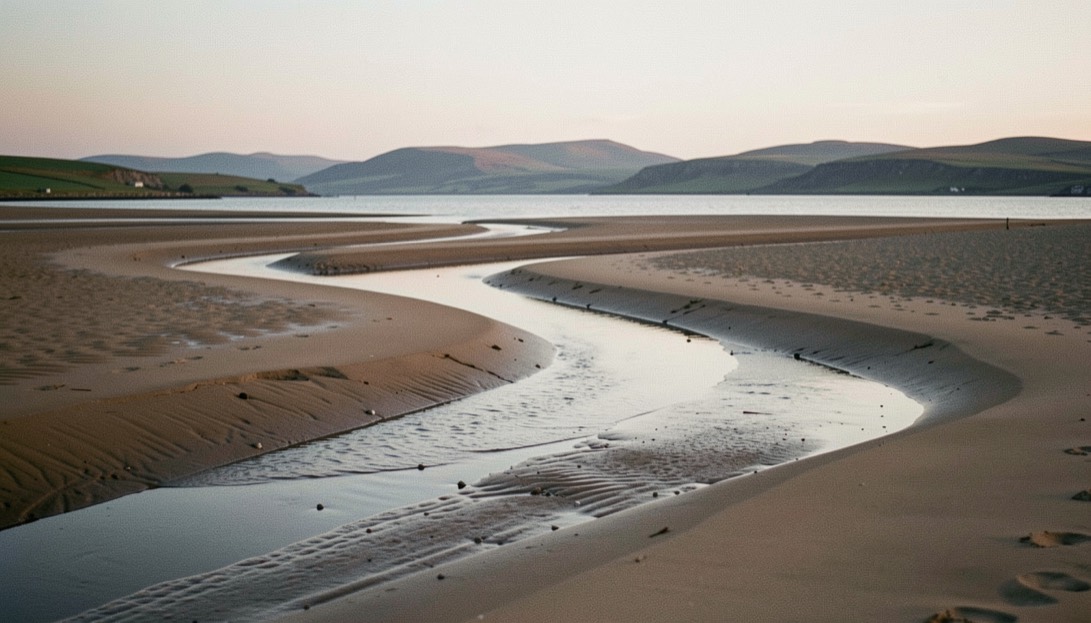
On a firth this shallow the water leaves faster than you can walk. Working out which hour of the ebb gives you the channels, and which one strands you.
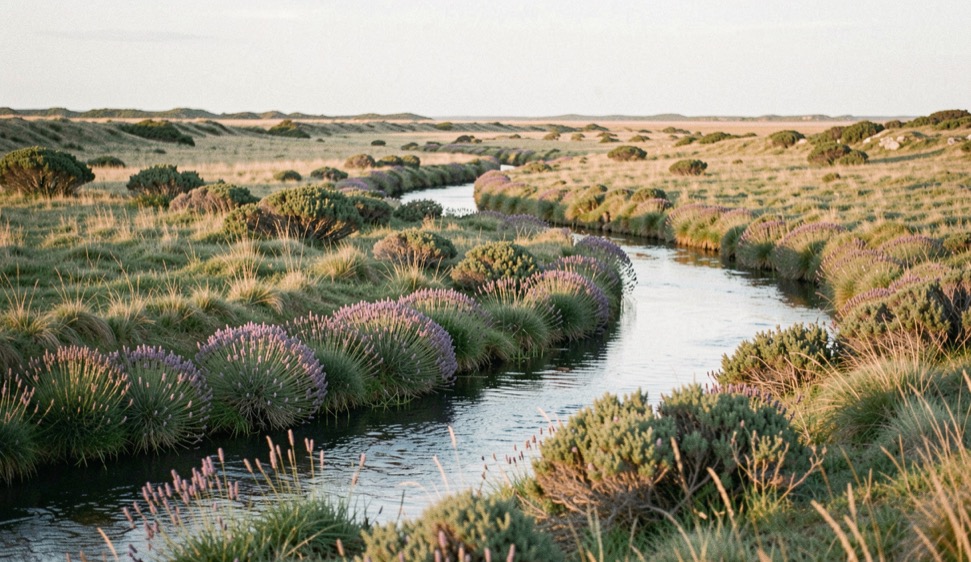
A marsh has no landmarks and no reliable edges, which makes composition difficult and navigation worse. Using the creeks themselves as the structure of the frame.
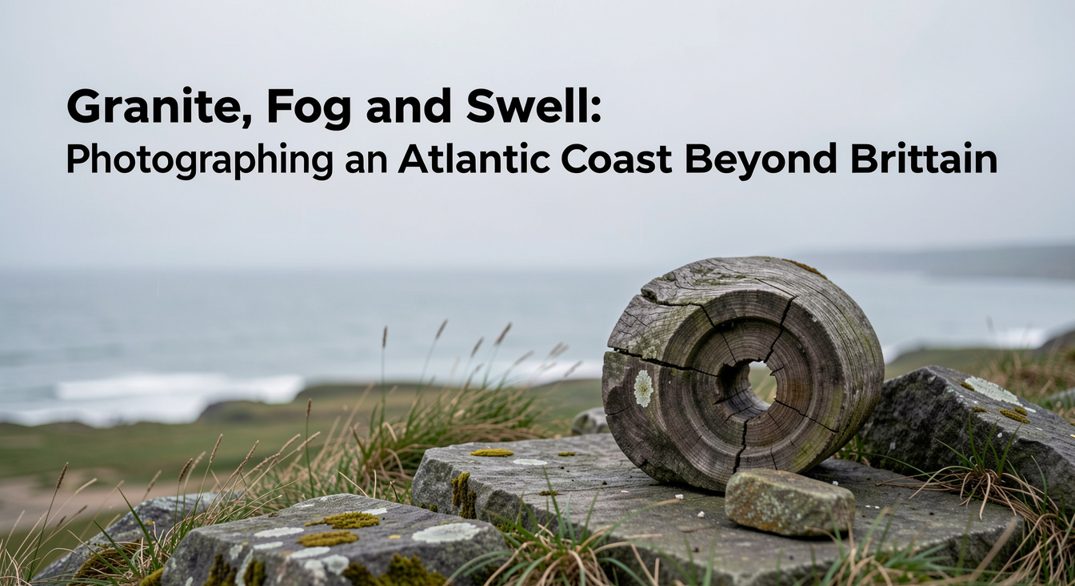
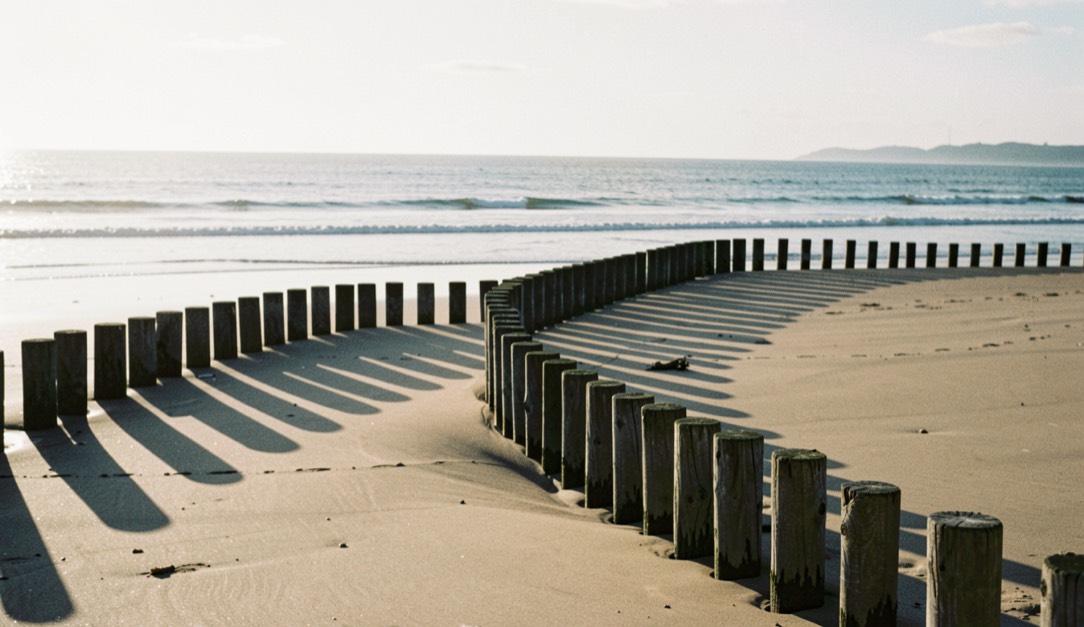
Built structures give a coastal picture a spine, and they take it over just as easily. Where to stand so the timber leads the eye instead of ruling it.
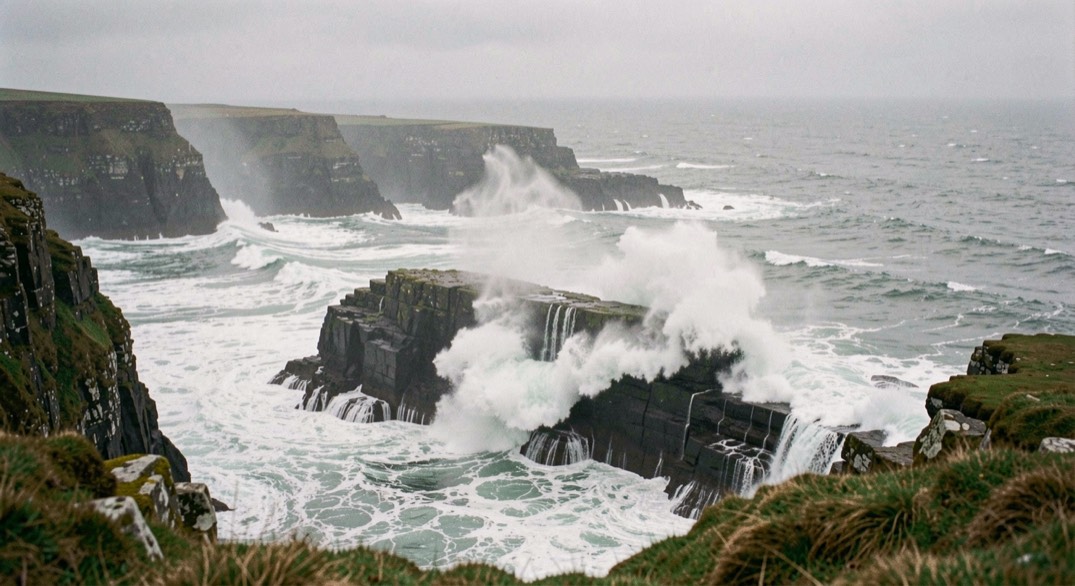
Atlantic swell arrives days before the wind that made it, so the biggest sea often comes under a calm sky. Where to stand, and the ground that should be left alone.