Sheet 04
A great deal of British landscape photography depends on windows two or three weeks wide, and most of the disappointment comes from arriving on the wrong side of one. Bluebells flower in the gap between warm soil and a closed canopy, and that gap moves by a fortnight between Hampshire and Northumberland. Heather is three different plants flowering on three different dates, pulled further apart by altitude and by the burning rotation on the ground. Neither is guesswork once the mechanism is understood.
The entries here are written to be used year after year rather than read once. Each one gives what causes the timing, what shifts it, which conditions suit the subject when it arrives, and what the weeks either side are good for, since the fortnight before a flowering and the month after it are usually empty of photographers and full of subject.
Entries in this section
How a family toy shop selects and displays soft toys, and what parents weigh before buying: materials, safety marks, washing and repair.
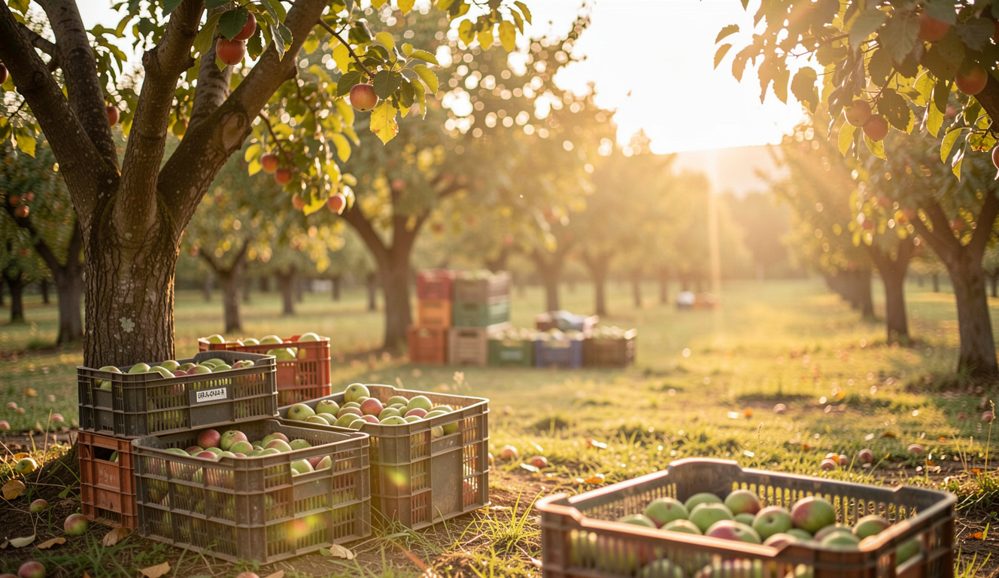
The show orchard photographs itself. The working orchard, the one with crates stacked by the hedge and a press going under a lean-to, needs the photographer to earn the frame. Notes from a Cambridgeshire September.
Between the last trip and the next one there is a season at home, and the discipline that fills it best is the one that practices waiting for its own sake. Notes on what sitting still lends to field work.
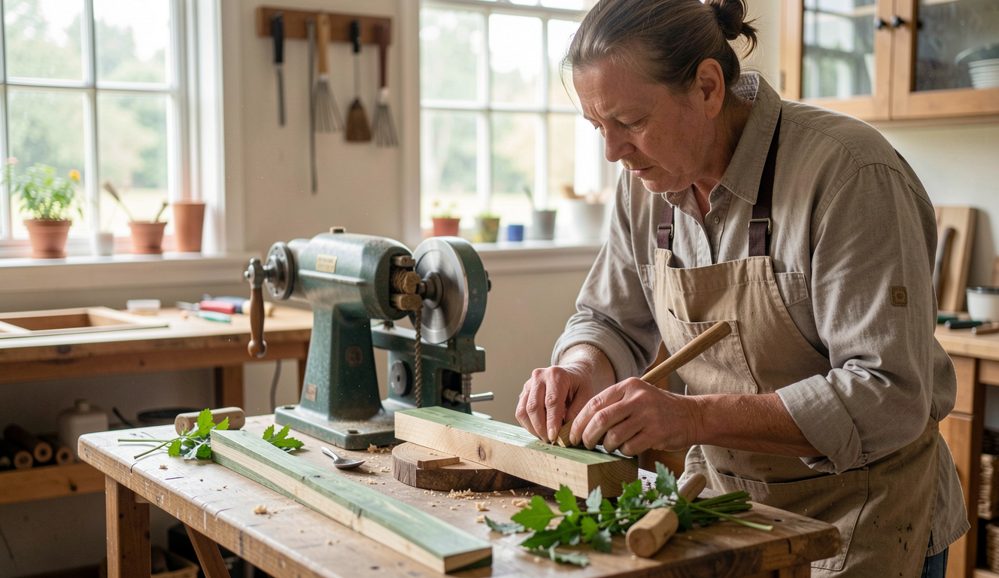
Most modern crafts have abolished the seasons; turning wood has not. The log arrives wet in winter and the finished bowl leaves dry in summer, and the photographer who watches that understands seasonal work from the inside.
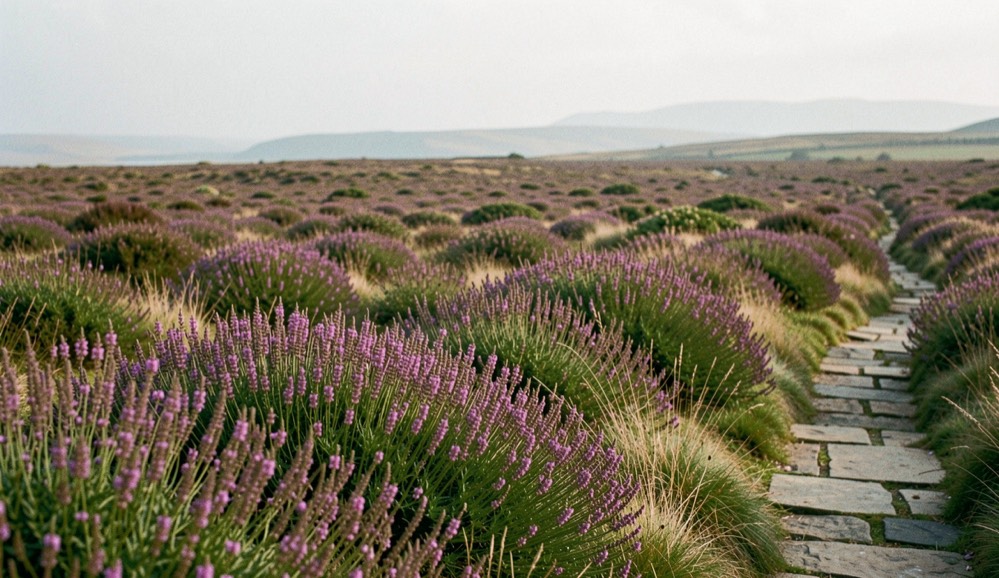
Flowering runs by species, by altitude and by burning rotation, so one moor can be three weeks apart from end to end. Notes on where the colour lands first.
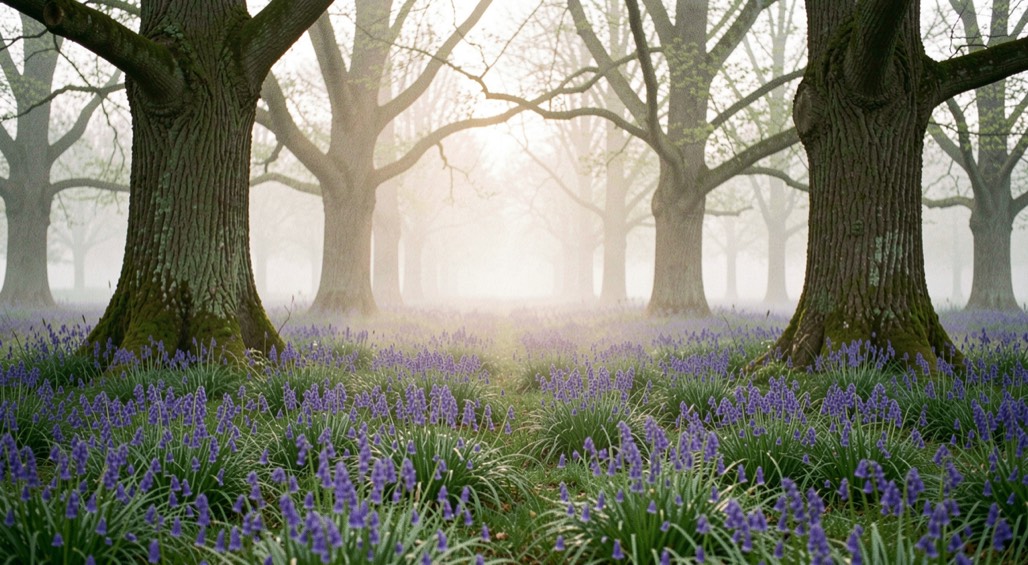
The flowers hold their colour for a short spell and photograph badly for most of the day. Which wood, which aspect, and which part of the morning.