Sheet 02
Moor and Fell
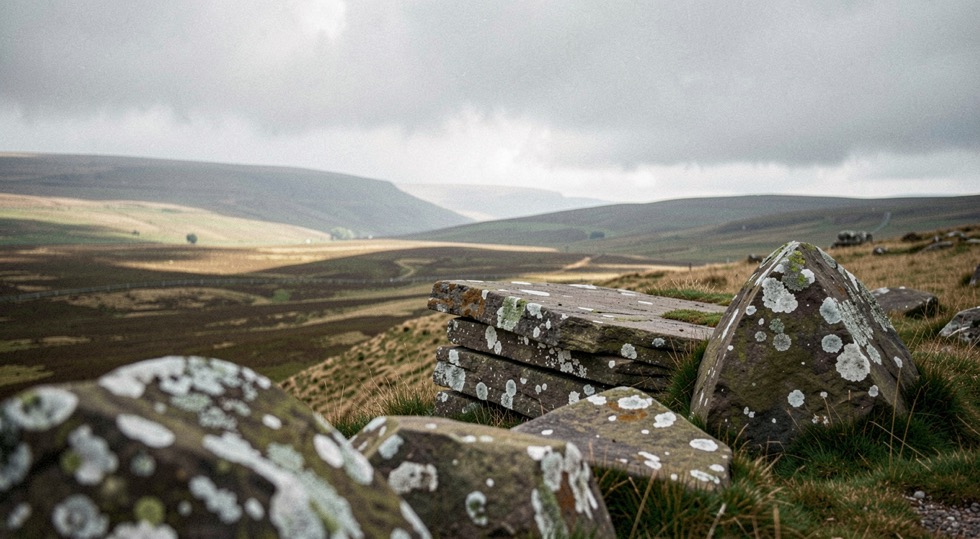
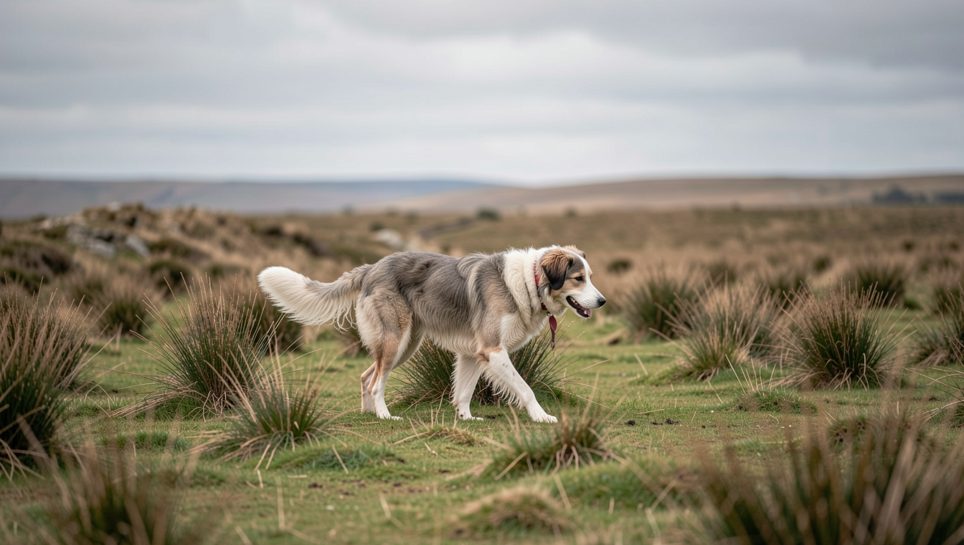
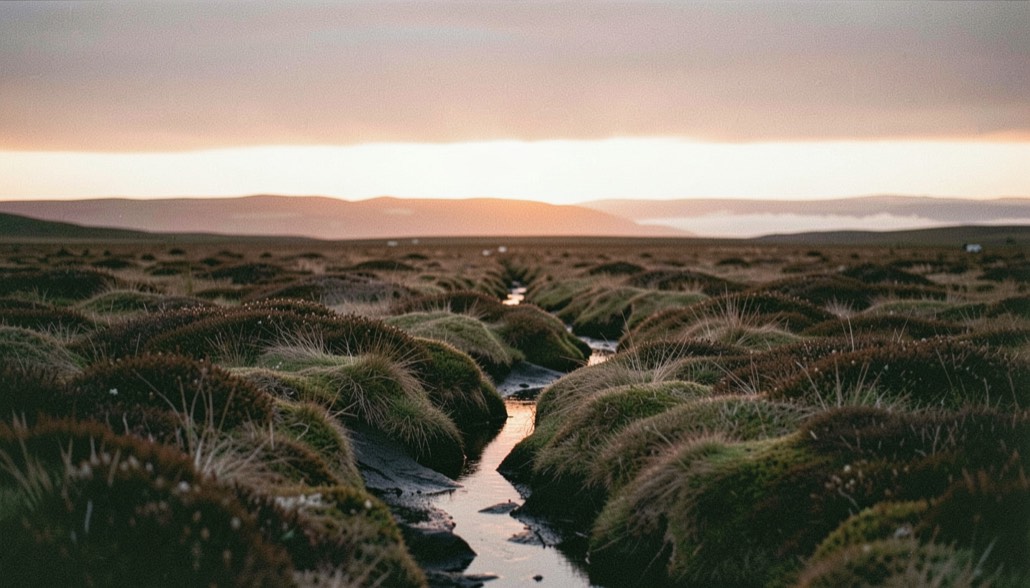
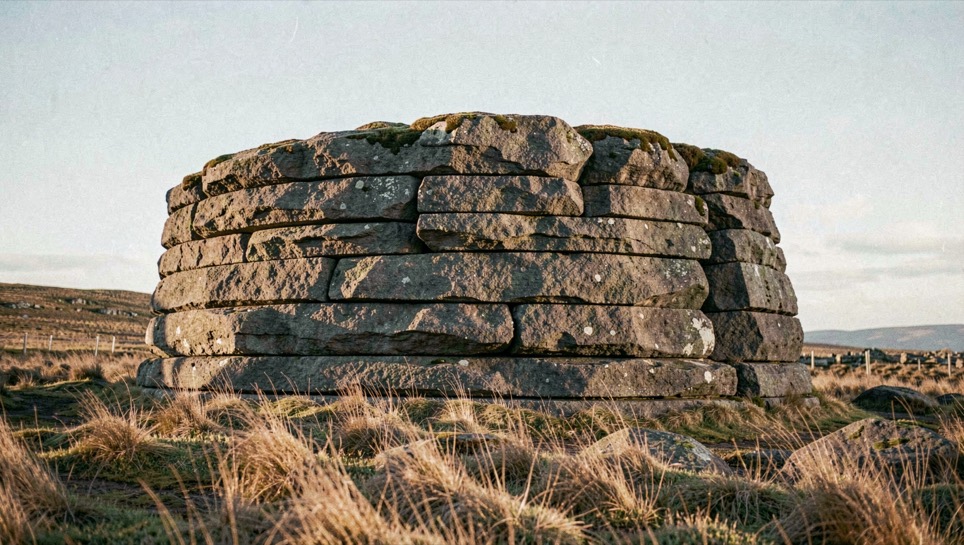
The high ground of Britain is not high, and that is the problem it sets. Almost nothing in England or Wales stands above a thousand metres, so a moor or a fell rarely supplies the vertical drama that does the work in a mountain photograph. What it supplies instead is surface: blanket peat cut into channels, gritstone weathered into blocks, granite split along its joints, heather and cotton grass and bare rock in every state of wet. Everything in this section is made close to that surface rather than across it.
The entries here give the approach route and the time it takes, the hour at which a particular rock regains its structure, and the navigation problem waiting on a plateau with no features on it. Where the ground is damaged rather than natural, which on the deep peat moors is most of it, that is said plainly, because a photograph of a peat hag is a document of erosion as much as a picture of a moor.