Sheet 03
Light and Weather
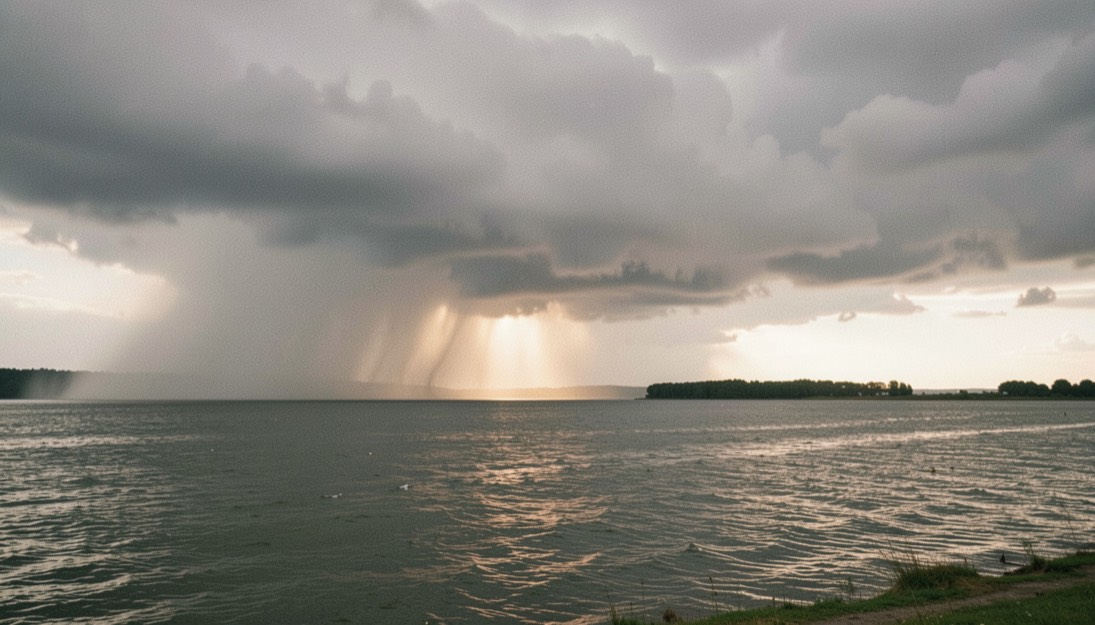
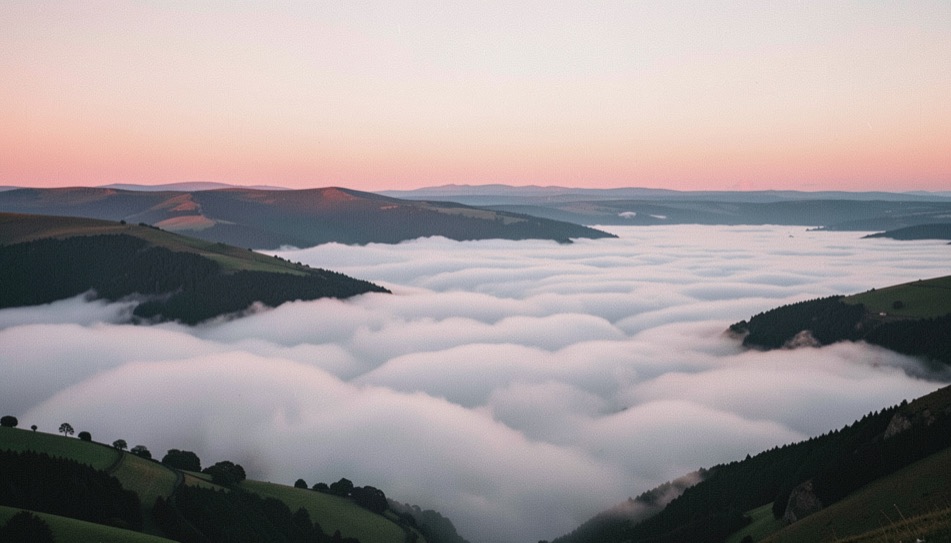
Britain photographs best in weather that is about to change, and almost all of that change is forecastable. Sea fog needs a dew point above the sea surface temperature and an onshore wind with a light gradient. A valley inversion needs a clear night, still air, damp ground and a long darkness. A ridge of high pressure behind a cold front gives clean air and frost. None of that is luck, and none of it requires being out every morning to find out.
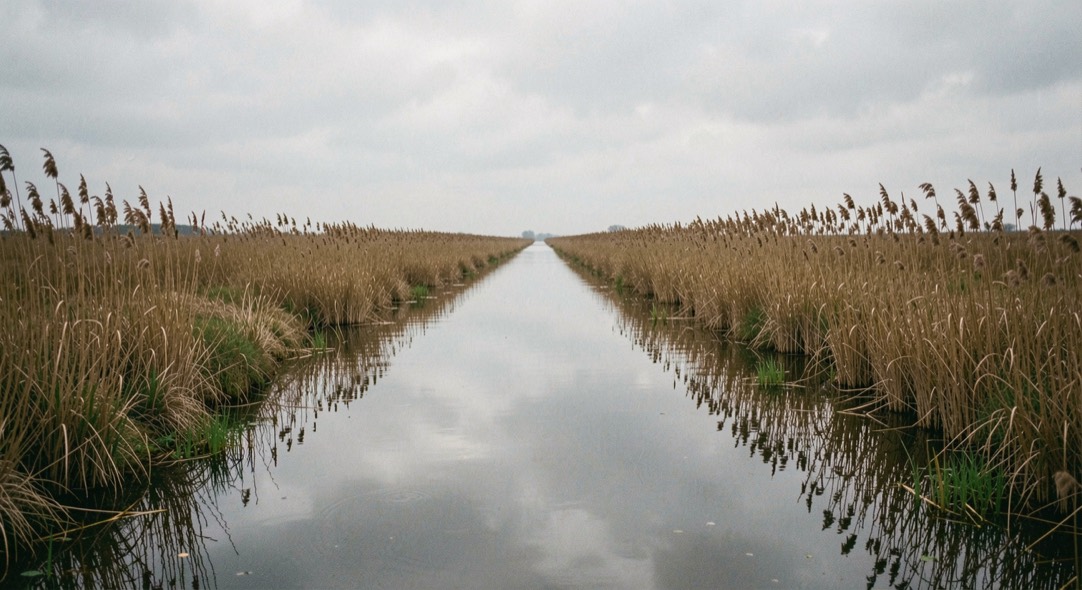
The entries in this section take one condition each and work it through: what causes it, which numbers on a forecast predict it, where in the country it happens most reliably, and what to photograph once it arrives. They also cover the conditions most people drive home from, because flat cloud is the best woodland light of the year and a day under it is not a wasted day.
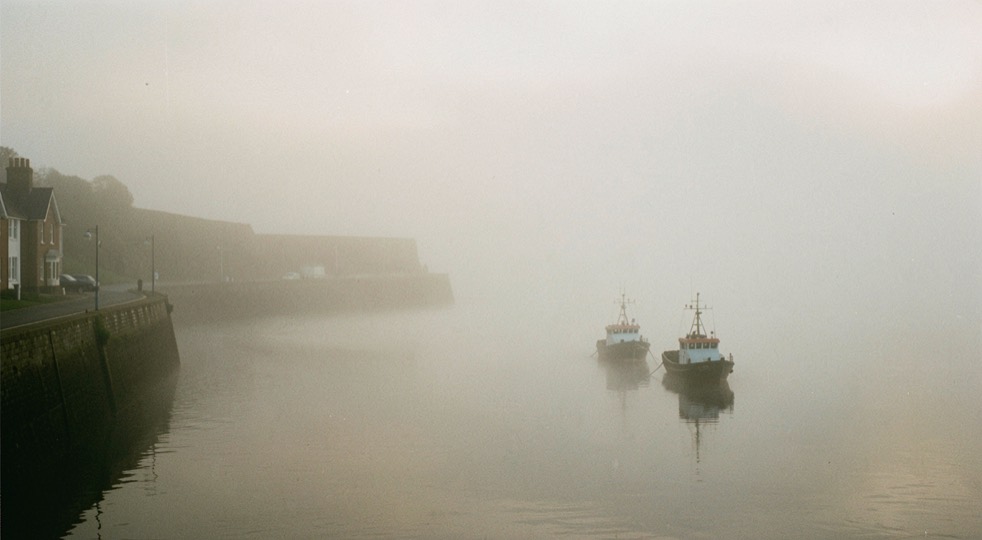
On the Fife coast the haar is fog when it sits on the harbour and low stratus when its base lifts, since a stratus touching the ground is called fog. It belongs with the clouds seen from the ground that hold liquid water and form opaque shapes with clear outlines. Photographers watching the forecast can check this distinction in the overview of lower clouds and fog.