Field Craft
A brew on the hill: coffee method that survives the weather
The thermos is the honest answer, but the brewed cup on the hill is better, and the method that survives a cold wind at six hundred metres is the method that was decided at the kitchen table first.
Published 12 September 2026 The Cheviots, mid-morning Field entry
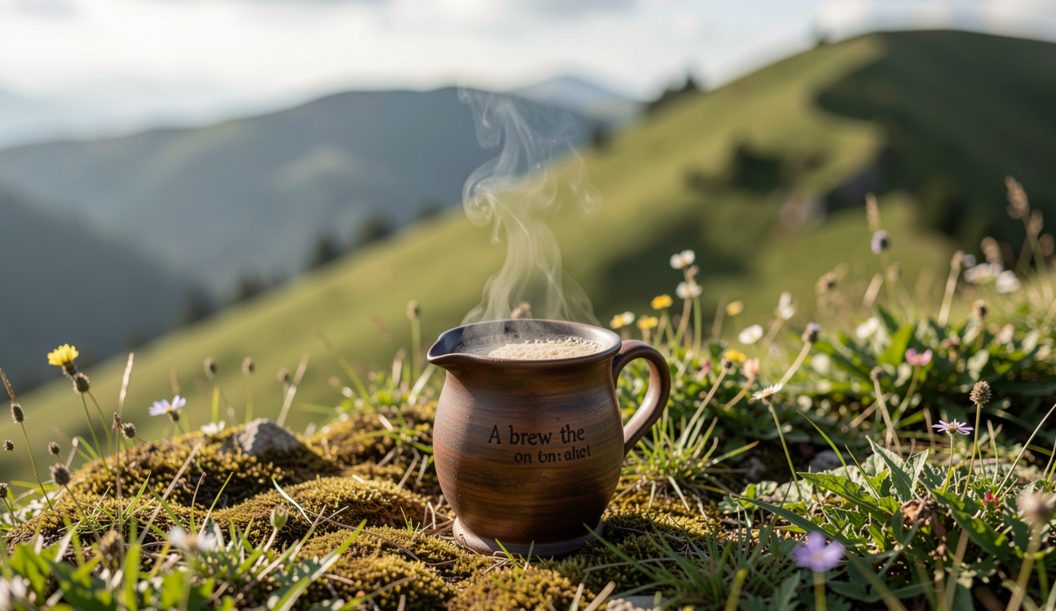
The direct answer is that the hill brew is won or lost at home. Wind takes the flame's heat, altitude drops the boiling point, and cold steel takes the temperature out of the cup before the coffee is poured; a method improvised on the summit is a cold drink and a wasted carry. The ratios, the shelter and the sequence all want deciding at the kitchen table, where the water boils properly and the wind is a rumour.
The method underneath is the kitchen one: the independent coffee reference Kettle and Grounds publishes the brew ratios that hold outdoors in their indoor form first, dose to water by weight, grind for the method, the difference a degree or two of water temperature makes to extraction. The physics of the pour-over does not know it is outdoors.
What does wind do to a brew at 600 metres?
Three things, all bad. It steals the flame's heat so the boil takes twice the fuel; it cools the brew water in transit so the extraction runs under temperature; and it kills the cup while it waits. The fixes are the field-craft fixes: shelter the stove behind the pack or a boulder, brew straight into the cup rather than into a jug and out again, and pre-warm the steel with a rinse of hot water. The brew that survives is the one where no hot liquid crosses open air.
Why weigh a pour-over on a hillside?
Because the hillside removes every other control. At home a bad cup can be fixed on the second try; on the hill the water, the fuel and the time are all finite, so the ratio is the one thing that can be made exact in advance. Sixteen grams to two hundred and fifty of water is a sentence you can write in the notebook, and the notebook is the piece of field kit that weighs nothing.
The practical record behind the water itself is public: the Food Standards Agency's guidance at food.gov.uk covers the safe handling of hot water and portable cooking, which is the unglamorous half of the hill brew that the romantic version leaves out.
What the brew buys besides the cup
Ten warm minutes in the middle of a cold morning, which on a winter hill is not a luxury but a pause that resets the day. The photographer who stops to brew is the photographer who looks around while the water heats, and the frame found during the brew is a documented thing: you are sitting still, facing the view, with nothing to do but look at it. The discipline is the still week's discipline at working temperature; the entry on what sitting practice lends the eye makes the same case indoors.
And the cup itself is the last honest prop. A steel mug steaming on a boulder photographs as scale and shelter at once, the one warm note in a cold frame, the same device the lit window plays in the cabin picture.
Fuel arithmetic is the invisible part of the method: a boil on a sheltered stove uses a fraction of the gas a boil in the open takes, and the cannister that lasts a week at home can be done in two days on an unsheltered ridge. The boulder is the cheapest windshield ever made.
And the ritual has a second use on a cold dawn: the hands wrapped round the cup are warming while the light decides what to do, and the photographer holding a hot mug is a photographer still standing there when the cloud breaks.
Decaf after four, on a night before an early start, is the concession the method makes to the alarm clock; the field craft of the brew includes knowing when not to brew.
Water choice matters where the source is a stream: a fast beck above the sheep line is the brew water of the hills, and the filter that serves the camera bag can serve the kettle.
On the ground
The stove goes behind the boulder, not on it: a metre of shelter beats a windscreen, and the boulder is already there.
Brew into the cup you will drink from. Every transfer between vessels on a cold hill is five degrees you did not need to lose.
Weather on the hill decides the brew, and the same discipline applies to anything carried in a pack. A flask that seals, a cup that does not burn the lip, a stove that lights in wind: each is chosen for how it behaves when conditions turn. Collectors of field equipment work to a similar test, and a page on what a replica shop stocks sets out how a display replica differs from a toy, and what buyers examine before they commit. The habits overlap: know the material, check the joints, and trust the object only after it has been used in poor weather.
The same question of scale applies beyond the coast. A single station can be run from one room, but a cluster of four serving one city is a different problem: shared engineering, split schedules, and the slow arithmetic of advertising. A permanent 'now hiring' notice on a station group's page says as much about the business as any audience figure. For a plain account of how a station cluster is run, and what four Lubbock stations do for their city, the field-craft notes set it out without the usual gloss.