Field Craft
Photographing French nature: a practical image bank
A guide to building a French nature image bank: light hours, seasons, coastal framing, and a landscape archive that documents time and place.
Published 16 September 2026 France Field entry
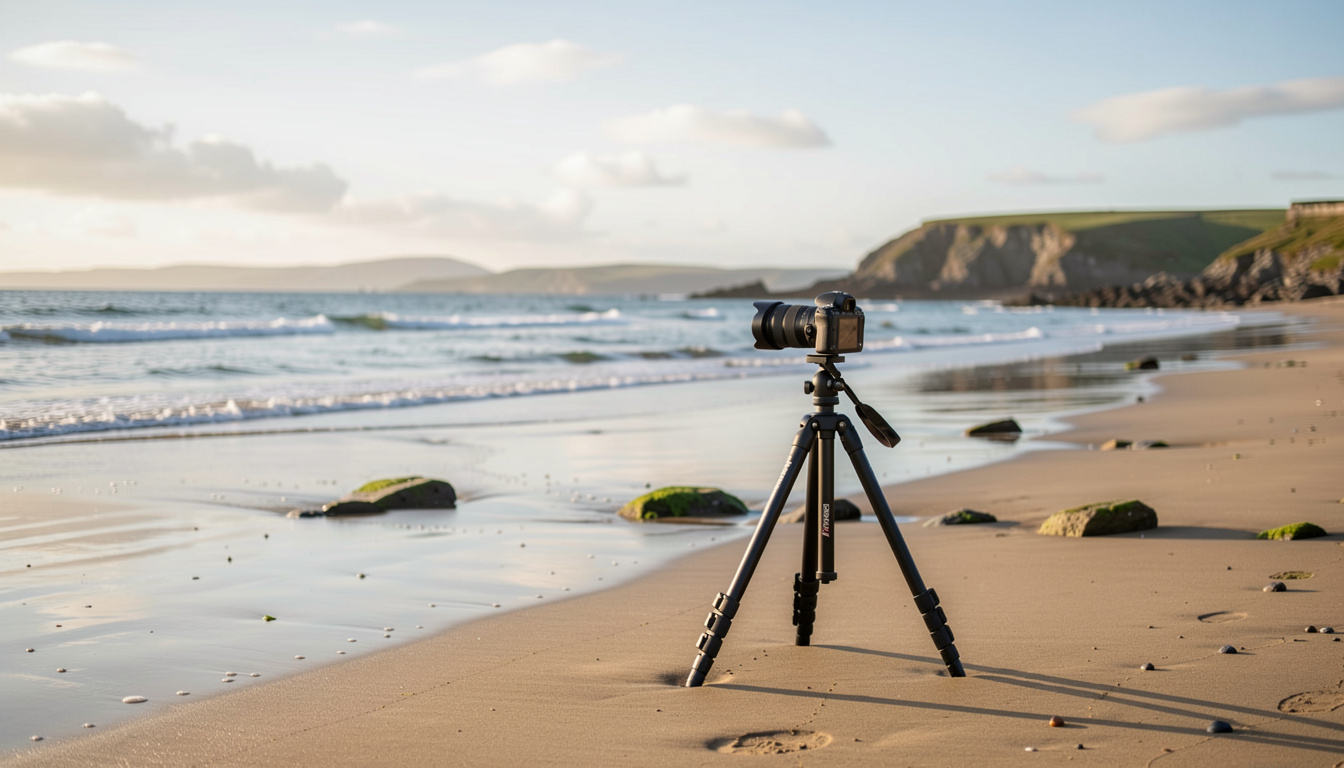
A French nature image bank works when every frame carries its own context: the hour of light, the season, the habitat, and the use rights. The most useful collections are not the largest, but the ones that document when a picture was taken and what it may be used for. That principle shapes how photographers plan a shoot, label a file, and choose a region.
What makes a French nature image bank reliable?
A reliable bank starts with metadata. Each image needs a date, a time, a place, and a note on the milieu: woodland, wetland, coast, or mountain. Without those fields, a picture of a Normandy hedgerow in September can be mistaken for a spring scene in the Loire. The difference matters for editors, researchers, and anyone matching an image to a text.
France has a wide range of light and terrain. The Atlantic coast, the Mediterranean, the Alps, and the Massif Central each produce different colours and textures at the same hour. A bank that records these variables becomes a reference tool rather than a folder of pretty views. Photographers who work this way often publish their field notes alongside the images, so the reader can see the conditions behind each frame.
One example of this approach is a landscape archive that treats each region as a dated sheet: the hour of light at the top, the milieu below, and the usage note in the margin. That structure helps a reader find a precise reference without crossing a talkative home page. The same logic applies to any personal collection: sort by region, then by season, then by hour.
How does the hour of light change a French landscape?
Light is the first variable. In France, the sun angle shifts enough between June and December to alter a scene completely. A low morning sun on the Breton coast gives long shadows and warm stone; the same cliff at noon in July looks flat and pale. Photographers who chase a specific mood plan around the solar calendar, not just the weather forecast.
The second variable is atmospheric haze. In the south, the mistral clears the air and produces hard contrast. In the north and west, maritime air softens edges and reduces saturation. A bank that labels these conditions lets a user pick an image that matches a text about clarity or about softness.
The third variable is the season of the vegetation. A beech wood in the Normandy bocage is green in May, copper in October, and grey in January. Each state tells a different story about the milieu. For a nature image bank, the same location photographed in three seasons is more valuable than three different locations in one season.
Which season for each French region?
Spring favours the north and the river valleys. The Loire, the Seine, and the Somme offer mist, blossom, and high water. Summer suits the Mediterranean and the high Alps, where the light is strong and the days are long. Autumn belongs to the forests of the centre and the east: the Vosges, the Jura, and the Morvan. Winter is the season of the Atlantic coast, with bare trees, low sun, and storm light.
A practical rule is to match the season to the subject. For wildflowers, late spring in the Alps or the Pyrenees. For coastal erosion, winter storms on the Channel. For agricultural landscapes, late summer in the open fields of the Beauce or the Picardy plateau. Each choice changes the palette and the human presence in the frame.
A bank that follows this seasonal logic becomes a calendar of French nature. The user can search by month and region, and find images that are consistent with the climate of that place. That consistency is what separates a documentary archive from a random stock collection.
How to frame the French coast without mistakes
The French coastline runs from the North Sea to the Mediterranean, and each section has its own rules. The chalk cliffs of Normandy and Picardy need a low angle and a wide lens to show scale. The granite coast of Brittany needs a tighter frame to capture the rock texture and the spray. The Atlantic dunes of Aquitaine need a long lens to compress the lines of sand and pine.
Tide is the main constraint. On the Channel and the Atlantic, the difference between high and low water can exceed ten metres. A location that works at low tide may be inaccessible at high tide. Photographers check the tide table before the light table, because the sea decides the composition.
The Mediterranean coast is different. The tide is small, the water is clear, and the light is hard. The best hours are early morning and late afternoon, when the cliffs of the Calanques or the Corniche turn orange. A bank that notes these differences helps a user avoid the common mistake of treating the whole French coast as one subject.
What does a nature image say about a milieu?
An image of nature is also an image of a habitat. A reed bed with a grey heron tells a story about wetland management. A hedgerow with a stone wall tells a story about bocage farming. A alpine meadow with a chamois tells a story about altitude and grazing. The photographer who understands the milieu can choose the distance that respects the subject.
The distance is an ethical choice. Too close, and the image becomes a portrait of an individual animal. Too far, and the habitat disappears. The right distance shows the species in its context, with the strata of vegetation and the season visible. That is the difference between a wildlife picture and an ecological document.
For a French nature bank, this means labelling the species, the habitat, and the season. It also means noting the method: hide, approach, or remote camera. A user who needs an image of a traditional craft, such as a shepherd or a basket maker, will look for a different set of labels. The archive that includes these notes becomes a tool for educators and researchers.
Building a personal bank with French references
A personal bank can follow the same rules as a public archive. Start with a clear folder structure: region, then season, then date. Add a text file for each shoot with the hour, the weather, and the milieu. Use a consistent naming convention, such as FR-NOR-2026-09-16-0730-hedgerow. That name alone tells a future user where, when, and what.
Rights are the next step. A bank that states what can be done with each image is more useful than one that leaves the question open. For personal work, a simple licence note in the metadata is enough. For shared work, a separate document is better. The principle is the same: the image and its conditions travel together.
Finally, publish a selection. A bank that stays on a hard drive helps no one. A small public set, organised by region and season, can serve as a portfolio and as a reference. The reader who finds a precise image will return for the next one. That is how a nature image bank grows: not by volume, but by trust.
Sources and further reading
The Office national des forêts (ONF) publishes data on French forest milieux and their seasonal changes. The Institut national de l'information géographique et forestière (IGN) provides maps and land cover data for each region. The Office français de la biodiversité (OFB) documents habitats and species across metropolitan France. These institutional sources are useful for anyone building a documented image bank.